
Why Your Business Needs a Blog

In today’s digital-first economy, having a blog is no longer optional—it’s a critical tool for driving growth, building trust, and improving search engine visibility. A well-maintained business blog can help you attract new customers, establish authority, and support long-term digital success.
Blogging is more than just publishing content—it’s about building relationships, demonstrating expertise, and creating a steady stream of opportunities. Businesses that blog consistently generate more leads, strengthen brand authority, and drive long-term growth in competitive industries.
The Benefits of Business Blogging
One of the most significant benefits of business blogging is its power to position your company as a thought leader. A well-written blog creates opportunities to answer customer questions, showcase expertise, and build brand trust. According to HubSpot, businesses that publish regular blogs generate 67% more leads compared to those that don’t.
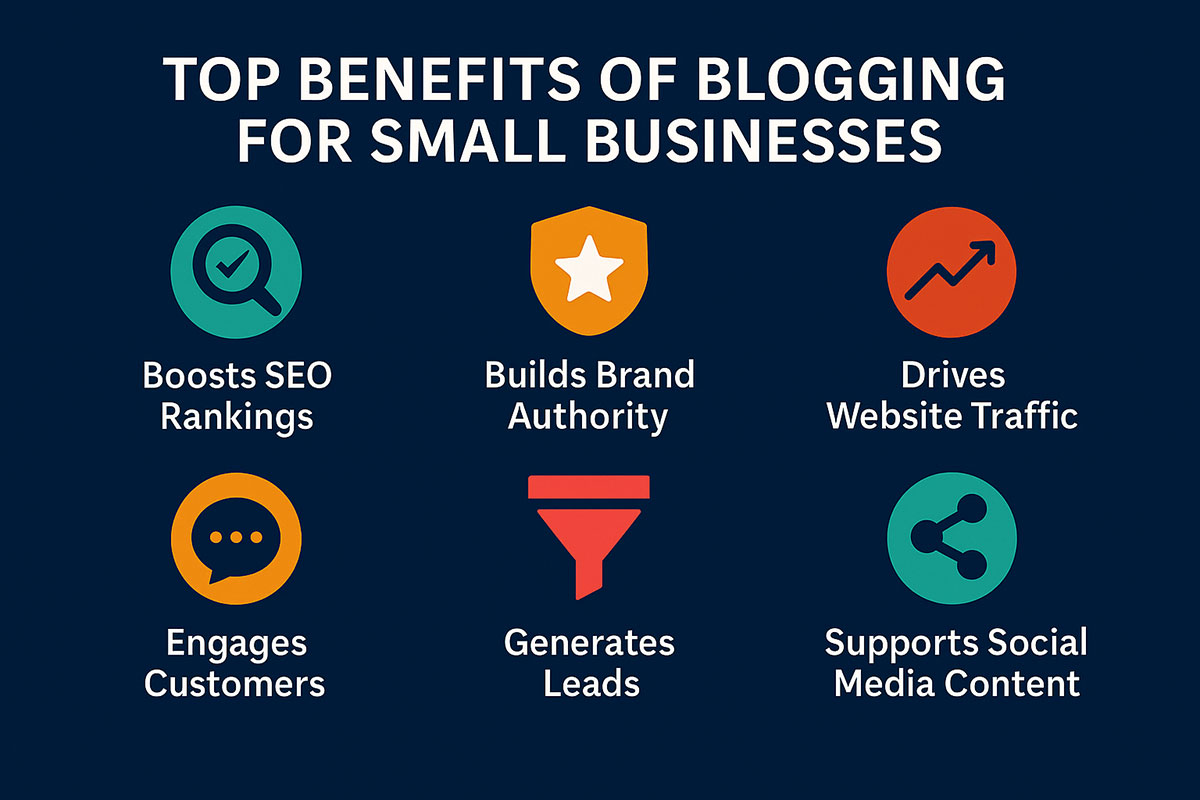
Key Benefits of Blogging for Businesses
- Improved SEO performance – Blogs help target relevant keywords and improve search rankings.
- Customer engagement – Informative posts give customers a reason to return to your website.
- Lead generation – Blogs drive organic traffic that converts into qualified leads.
- Authority building – Blogging positions your brand as an industry leader.
- Content for campaigns – Blogs provide reusable material for email marketing, ads, and newsletters.
How Blogging Helps SEO for Businesses
Search engines value websites that consistently publish high-quality, relevant content. Every new blog post adds a fresh page that can be indexed by Google, which increases your chances of ranking for valuable keywords. In fact, companies with active blogs have 434% more indexed pages compared to companies without blogs.
For example, if your business offers SEO services, you can write blog posts targeting specific topics like keyword research, on-page optimization, and link building. These targeted posts not only attract traffic but also support your service pages with internal links and topical authority.
Real-World Case Studies: Blogging in Action
Case Study 1: Small eCommerce Store
A boutique eCommerce retailer started publishing two blogs per week featuring product tutorials, buying guides, and industry trends. Within six months, their blog accounted for 30% of total website traffic. The blog also became the number-one source of email subscribers, boosting sales by 18% year-over-year.
Case Study 2: B2B Software Company
A SaaS business offering project management tools saw organic traffic increase by 220% in one year after launching a blog that published detailed tutorials, customer success stories, and productivity hacks. This translated into a 2.5x increase in inbound demo requests, significantly lowering customer acquisition costs.
Case Study 3: Healthcare Practice
A U.S.-based medical clinic started blogging about preventative care, nutrition, and local health news. Within nine months, their site began ranking for over 150 long-tail keywords tied to healthcare questions in their region. Appointment bookings rose 40%, largely driven by blog readers searching for answers and then converting into patients.
Case Study 4: Financial Services Firm
A Canadian wealth management firm used blogs to explain tax changes, investment strategies, and retirement planning. The blog attracted high-net-worth individuals looking for expert guidance. As a result, inbound leads through organic traffic increased by 65% in one year, leading to significant new client acquisitions.
Case Study 5: Local Restaurant Chain
A Vancouver-based restaurant group began publishing weekly blogs featuring recipes, behind-the-scenes chef stories, and community events. These posts drove strong local SEO visibility for “restaurants near me” searches, leading to a 20% increase in bookings and a stronger connection with the local community.
Statistics That Prove the Value of Blogging
- Marketers who prioritize blogging are 13x more likely to achieve positive ROI (HubSpot).
- Companies with blogs receive 97% more inbound links than those without (OptinMonster).
- 61% of U.S. consumers have made a purchase after reading a blog recommendation (Content Marketing Institute).
- Blogs produce 55% more website visitors compared to businesses without blogs (Demand Metric).
- Long-form content (2,000+ words) generates 9x more leads than shorter posts under 1,000 words (Orbit Media).
Industry-Specific Applications of Blogging
Retail & eCommerce
Retailers can use blogs to publish gift guides, style trends, or product reviews. For example, a clothing brand could rank for seasonal searches like “best winter coats in Vancouver” while linking to product pages.
Technology & SaaS
Tech companies can use blogs to educate prospects on complex tools. Publishing detailed tutorials not only drives organic traffic but also reduces support costs by answering common customer questions in advance.
Healthcare
Clinics and healthcare providers can blog about treatment options, healthy living, and preventative care. This builds trust and positions the practice as a local authority in health services.
Professional Services
Accountants, consultants, and lawyers benefit from blogging by breaking down complex topics in simple terms. A blog that explains regulatory changes or offers practical advice attracts qualified leads who value expertise.
Local Businesses
Restaurants, gyms, and trades can use blogs to showcase community involvement, seasonal specials, and customer success stories. Optimized local content drives visibility in “near me” searches, increasing foot traffic and local brand recognition.
Best Practices for Business Blogging
- Publish consistently – Aim for at least one new blog post per week.
- Target customer pain points – Write about the real challenges your audience faces.
- Leverage keyword research – Use tools to identify search terms your customers are using.
- Incorporate multimedia – Use images, videos, and infographics to increase engagement.
- Promote across channels – Share blogs on social media, newsletters, and paid campaigns.
- Repurpose content – Turn blog posts into podcasts, webinars, or downloadable guides.
Step-by-Step Guide to Launching a Business Blog
Many businesses understand the “why” of blogging but struggle with the “how.” Here’s a practical framework to get started:
Step 1: Define Your Goals
Identify whether your blog should generate leads, improve SEO rankings, build authority, or all of the above. Having clear goals shapes your strategy.
Step 2: Know Your Audience
Create audience personas based on demographics, pain points, and buying behavior. This ensures each post speaks directly to customer needs.
Step 3: Build a Content Calendar
Plan blog topics in advance, mixing evergreen content (guides, FAQs) with timely posts (industry news, seasonal trends). Consistency is key.
Step 4: Optimize for SEO
Use primary keywords like “why your business needs a blog” and secondary phrases such as “benefits of business blogging” naturally within posts. Include internal links to service pages like content creation and blog writing.
Step 5: Promote Your Blog
Distribute blogs through social channels, email campaigns, and newsletters. Paid promotion can amplify reach for cornerstone articles.
Step 6: Measure and Improve
Track metrics such as organic traffic, time on page, and conversions. Use insights to refine topics, formats, and promotional tactics.
The Future of Business Blogging
Blogging continues to evolve, influenced by technology and consumer expectations. Looking ahead, several trends will shape how businesses leverage blogs.
AI-Powered Content Creation
Artificial intelligence is helping businesses scale content creation. While AI can draft initial posts, human expertise remains vital for authenticity and brand voice.
Voice Search Optimization
With the rise of smart speakers, optimizing blogs for voice queries is critical. Long-tail, conversational keywords will help capture traffic from users asking questions verbally.
Integration of Video and Multimedia
Blogs enriched with short videos, podcasts, or infographics see higher engagement. Multimedia content also improves dwell time, a positive ranking signal for Google.
Hyper-Personalized Content
Future blogs will move beyond generic advice, offering personalized recommendations based on customer behavior and data-driven insights.
Common Blogging Mistakes to Avoid
Even the most well-intentioned blogging efforts can fall flat if businesses overlook common pitfalls. Avoiding these mistakes can make the difference between a blog that drives leads and one that gets lost in the noise.
1. Inconsistent Publishing
Publishing sporadically confuses readers and weakens SEO performance. Consistency signals authority to search engines and builds reader trust. Businesses should create a realistic content calendar and stick to it.
2. Writing Without a Clear Audience
Too often, blogs are written for the business rather than the customer. Every post should address real questions, concerns, or goals of your target audience to maximize engagement and conversions.
3. Neglecting SEO Basics
Blogs without keyword research, meta descriptions, internal links, or optimized headings struggle to gain visibility. Simple SEO fundamentals can dramatically improve organic reach.
4. Overly Promotional Content
Blogs that read like advertisements turn readers away. The most effective blogs provide value first—education, insight, or entertainment—while naturally guiding readers to services or products.
5. Ignoring Analytics
Failing to track performance is a missed opportunity. Tools like Google Analytics and Search Console provide insights into traffic sources, top-performing posts, and user behavior. Use data to refine future topics and formats.
6. Skipping Content Promotion
Publishing a blog isn’t enough. Without promotion, even great content goes unseen. Share posts across social media, email campaigns, and digital ads to amplify reach.
7. Forgetting the User Experience
Walls of text without headings, visuals, or white space discourage readers. Break up content with clear formatting, add images or video, and ensure mobile responsiveness for a seamless experience.
8. Not Updating Old Content
Outdated blogs lose ranking power over time. Refresh older posts with new statistics, updated examples, and improved formatting to extend their lifespan and maintain authority.
9. Failing to Align with Business Goals
Some blogs chase traffic with unrelated content. While volume is nice, it’s better to focus on posts that attract your ideal customers and align with your long-term business objectives.
External Authority Research
According to a Forbes Council article, blogging remains one of the most effective ways to boost credibility, improve brand recall, and establish long-term customer trust. It’s not a fading trend but an essential part of a modern business strategy.
Final Thoughts: Why Your Business Needs a Blog
Blogging provides long-term benefits that compound over time. From improving SEO rankings to generating leads and strengthening customer relationships, a business blog is one of the most cost-effective strategies for sustainable growth. For businesses in Canada, the United States, and beyond, blogging is a proven way to stay competitive in the digital age.
Start Building Your Blog Strategy Today
Are you ready to unlock the benefits of business blogging? At Search Lions SEO, we specialize in creating tailored content strategies that improve search visibility, attract qualified leads, and support long-term growth. Let us help you design a blog that works for your business today.

